
Foreign investors and companies can legally acquire, develop, and operate real estate in Mexico, but the legal structure behind every transaction is what determines whether your investment is protected or exposed. We provide specialized legal counsel for U.S., Canadian, and international investors navigating real estate operations in Mexico.
SCHEDULE A MEETINGBuying property in Mexico as a US citizen or foreign national is legally possible, but it is not the same process you know at home. Mexico's legal framework imposes specific requirements on foreign ownership that affect how you acquire, hold, structure, and operate real estate. Ignoring these rules doesn't just create risk, it can cost you the entire investment.
The right legal structure from the start is not an expense it's what stands between your capital and avoidable risk.
What foreign investors need to know before moving forward:

Foreigners cannot hold direct title in Mexico's restricted zone, a fideicomiso (bank trust) or Mexican legal entity is required
Title irregularities, liens, and unregistered encumbrances are common, and invisible without proper legal due diligence
The structure you choose (trust, corporation, joint venture) directly impacts your tax exposure, liability, and exit strategy
Verbal agreements and informal arrangements are widespread in Mexican real estate transactions, and legally unenforceable
Mexican notaries are public officials with a different legal role than in the U.S. or Canada, they do not represent your interests
Without specialized legal counsel, foreign investors routinely face delays, regulatory issues, and preventable losses
We don't sell property and we don't broker deals. Singular Law provides legal counsel for foreign companies, investors, and developers who are buying, developing, or operating real estate in Mexico. Our practice is built around the legal complexity that foreign-owned operations face: from acquisition structuring and regulatory compliance to contract negotiation and asset protection.


Comprehensive legal and technical review before any acquisition or development commitment. We verify title and chain of ownership, registry status, liens and encumbrances, cadastral consistency, ejido or agrarian history, zoning compatibility, environmental exposure, and the legal feasibility of the intended use. For foreign investors buying property in Mexico, due diligence is the first line of defense against preventable loss.
Legal counsel on the structuring, setup, and administration of fideicomisos (bank trusts) for foreign buyers acquiring property in Mexico's restricted zone — within 50 km of the coast or 100 km from an international border. We evaluate whether a trust, a Mexican entity, or another vehicle is the right structure for your acquisition, and we manage the process from application through execution.
Drafting, review, and negotiation of every agreement involved in the transaction: purchase agreements, promissory contracts, letters of intent, lease agreements, joint venture arrangements, and developer contracts. We structure each deal to protect the foreign investor's position under Mexican law and ensure enforceable terms at every stage.
Advisory and management of the regulatory process for real estate development projects in Mexico, land use authorization, urban development compatibility, subdivision and consolidation permits, construction licenses, environmental impact approvals (SEMARNAT), and infrastructure feasibility. The permitting path varies by municipality, state, and asset class, and we tailor the strategy to each project.
Assessment of tax exposure and compliance obligations from the outset: acquisition tax, annual property tax, income tax on rental or operating income, capital gains tax on sale, and VAT implications. We also advise on anti-money laundering compliance under Mexico's federal AML framework, including source-of-funds documentation, beneficial ownership disclosure, and reporting obligations for foreign-held transactions.
Legal counsel for foreign investors and developers operating within condominium structures, regime drafting and review, bylaw development, common area rules, developer representations, presale consumer protection compliance, delivery obligations, and dispute prevention. Essential for investors entering resort developments, luxury projects, or unitized real estate in Mexico's coastal and tourism markets.
A real estate attorney delivers the most value before problems appear. For Americans buying property in Mexico or foreign companies entering the market, early legal involvement reduces exposure, prevents costly structuring mistakes, and eliminates the delays that compromise projects at the worst possible moment.
TALK TO A REAL ESTATE ATTORNEYBefore acquiring, developing, or leasing property in Mexico as a foreigner
Before signing any real estate contract or letter of intent
When structuring a real estate development or investment vehicle
Before acquiring property through a fideicomiso or bank trust
When forming a Mexican entity to hold or operate real estate
When dealing with notaries, public registries, or government agencies
Yes. US citizens and American companies can legally buy property in Mexico. However, in Mexico's restricted zone, within 50 kilometers of the coast or 100 kilometers from an international border, foreigners cannot hold direct title. A fideicomiso (bank trust) or a Mexican legal entity is required to hold the property on behalf of the foreign buyer. Outside the restricted zone, foreigners can hold title directly, but the correct legal structure still matters for tax, liability, and operational purposes. Engaging a real estate attorney early in the process ensures the acquisition is structured correctly and your investment is protected from the start.
Buying property in Mexico as a foreign national involves several legal steps that differ significantly from a transaction in the United States or Canada. First, you need to determine whether the property falls within the restricted zone, which defines the legal vehicle required, a fideicomiso or a Mexican corporation. A thorough due diligence process must then be conducted on the property's legal title, liens, registry status, and regulatory compliance. From there, the transaction is structured, contracts are drafted and negotiated, and closing is executed before a Mexican notary public. A specialized real estate attorney manages each of these steps to protect the foreign buyer's investment.
Yes, but not through direct ownership. Beachfront property in Mexico falls within the restricted zone, where foreign individuals and companies cannot hold direct title to real estate. The standard legal mechanism is a fideicomiso, a bank trust in which a Mexican banking institution holds legal title on behalf of the foreign buyer, who retains full use, benefit, and control of the property. Alternatively, a Mexican corporation with permitted foreign investment can acquire restricted-zone property for non-residential purposes. The right structure depends on the project's objectives, and a real estate attorney is essential to evaluate which vehicle applies to your specific situation.
No. Mexican citizenship or dual citizenship is not required to purchase property in Mexico. Foreign nationals, including Americans, Canadians, and investors from any country, can legally acquire real estate anywhere in the country. In the restricted zone, ownership must be structured through a fideicomiso or a Mexican entity, but neither of these mechanisms requires citizenship. What the process does require is proper legal structuring and the guidance of an attorney experienced in Mexican real estate law and foreign investment regulations.

Residential Community
Location: Zapopan, Jal.


Mixed-Use Tower
Location: Zapopan, Jal.


Residential Tower
Location: Puerto Vallarta, Jal.


Corporate Tower
Location: Guadalajara, Jal.
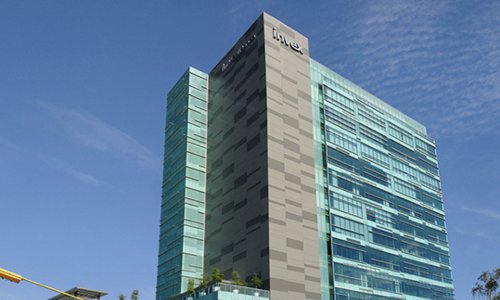

Mixed-Use Tower
Location: Zapopan, Jal.

Tell us about your project. Our team responds within 24 business hours.

